Fatty lumps and lipomas in dogs: FAQ
A lump may be alarming, but they are not always serious. Always get them checked by your vet.
What is a lipoma?
Lipomas (also called fatty lumps) are harmless lumps mad from fat cells in tissues around the body. They are not usually painful. They accumulate more fat as they grow and are more likely in middle-aged to elderly dogs.
The size the lump will grow to depends on how much fat the lipoma stores, but they can become very big – in some rare cases, the size of your dog’s head. Overweight dogs can be more likely to develop lumps.
Are lipomas cancerous?
No, lipomas are benign lumps, which means they are not cancerous and will not spread through the body in the way a malignant (cancerous) growth can.
Some dogs, particularly overweight ones, can develop multiple lipomas but these are still not life-threatening. The lumps normally grow in a separate pocket to surrounding tissue, but in rare cases they penetrate other tissue such as muscle. This is known as an infiltrative lipoma. They rarely spread to any of the vital organs of the body.
Note
In extremely rare cases, lipomas can develop into a malignant growth called a liposarcoma. But these do not normally spread through the body in the way that other cancers can. Liposarcomas can be extremely difficult or impossible to surgically remove.
What should I do if I find a lump on my dog?
If you find a lump on your dog, contact your vet. Most lumps won't be cancerous, but it’s important to rule out any serious medical conditions.
It’s also a good idea to let your vet know if your dog shows any pain when touching the mass, and any change in appetite or toilet habits. You can also see if the lump is growing by taking pictures and comparing the size, such as with a 2p coin.
How are fatty lumps diagnosed?
Your vet will often have a good idea as to whether a lump is a lipoma just by feeling it, as lipomas have a relatively distinct feel and texture. But your vet may also test the lump or take a biopsy to rule out cancer.
Should lipomas be removed?
Many lipomas do not affect your dog's health. But in cases where a large lipoma has grown on a part of the body where it's painful or interferes with movement, removal may be needed.
Removing a lump is normally a straightforward procedure performed under general anaesthetic.
Signs your dog could be in pain
Sometimes lumps can cause your dog pain. While this is rare with lipomas, it's important to know the signs:
- Changes in behaviour
- Loss of appetite
- Reluctance to move around and go for walks
- Restlessness, difficulty in getting comfortable
- Acting withdrawn or tense
- An improvement in demeanour with painkillers
Important
You should only give your dog painkillers that have been prescribed by your vet.
What dog breeds are prone to getting fatty lumps or lipomas?
Any breed can develop the lumps but they seem to be more common in:
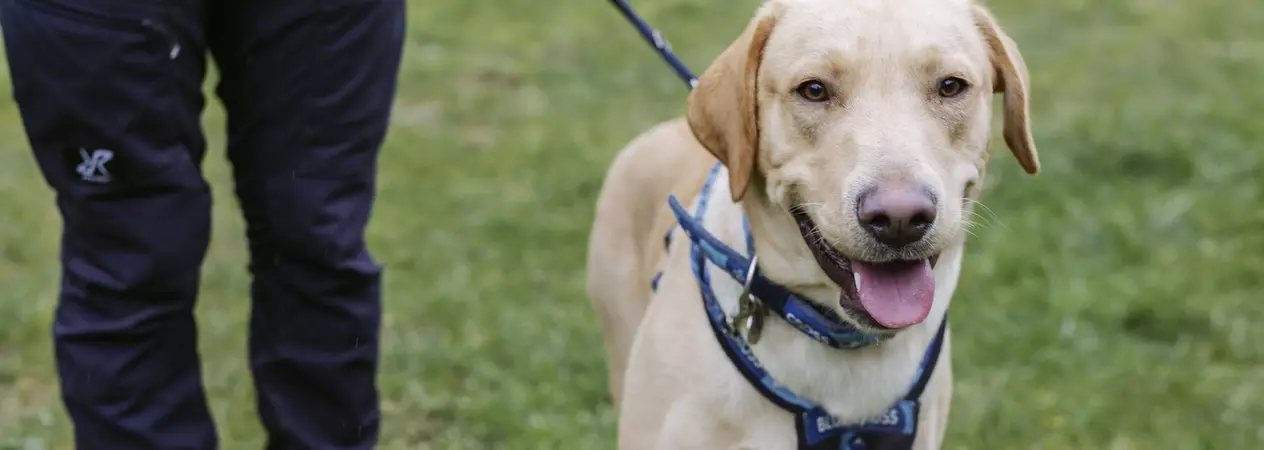
- Labradors
- dachshunds
- English springer spaniels
- American cocker spaniels
- Weimaraners
- miniature schnauzers
- doberman pinschers
Dogs with hypothyroidism and those that are overweight are also more likely to develop lipomas. Age can also increase the risk of developing lipomas.
Page details
Reviewed
• 2 October 2025
Next review
• 2 October 2028