
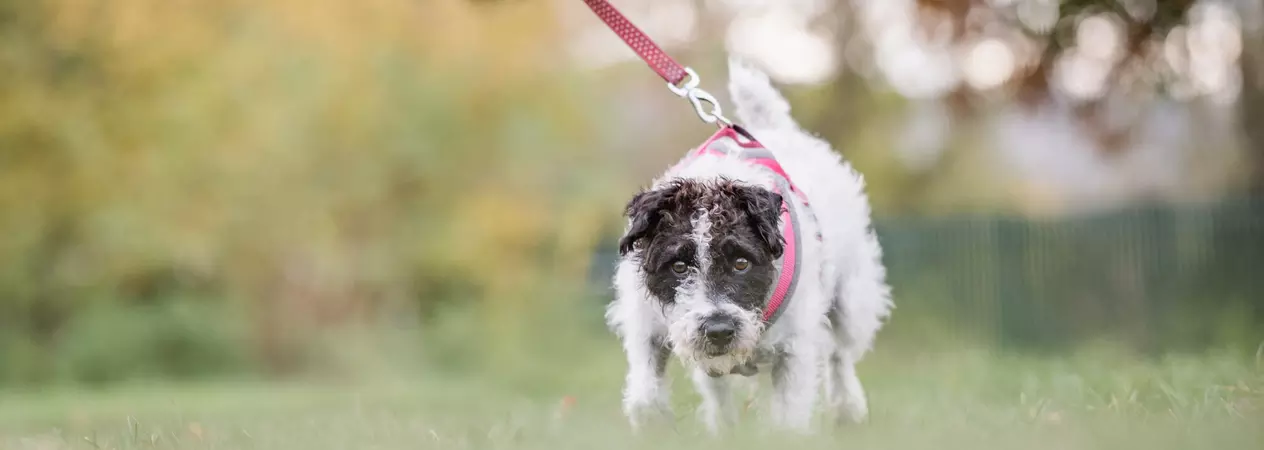
Keeping safe around dogs
There are lots of benefits to having a dog, but it’s important to understand their body language and know how to behave safely around them.
There are millions of dogs in the UK, many of them beloved companions and family pets. Understanding how to behave around dogs and recognise their body language helps everyone enjoy their company and stay safe, both at home and out in the community.
Some of the benefits of dog ownership:
- Petting and spending time with a dog can reduce anxiety and aid relaxation. Dog owners tend to have lower blood pressure and cholesterol levels. They also experience fewer medical problems generally.
- Walking and caring for a dog can help you stay active.
- Research suggests that living with pets may have positive effects on some children's emotional and social development.
- Caring for a pet can also help children learn about responsibility, compassion and respect for other living things.
- Research suggests that babies who live with a cat or dog during their first year may be less likely to develop certain allergies. Exposure to pets may also help support the development of a baby's immune system.
While dogs can bring significant benefits to family life, it's important to remember that any dog can bite in certain circumstances. Understanding dog behaviour and body language can help the whole family enjoy time with their dog while keeping everyone safe. Our advice explains what you need to know and how to help children behave safely around dogs.
Dogs may bite for a number of reasons, including when they:
- feel frightened or threatened
- are protecting themselves, their food or their toys
- are in pain or feeling unwell
- feel trapped or unable to get away
- are startled by something unexpected
- become overly excited or struggle to control their behaviour.
For more on why dogs may behave aggressively and how best to respond, see our feature on dog bites and aggression.
Important
Around 70 per cent of dog bites happen in the home, and 80 per cent involve dogs the person knows. Children may be more at risk because they’re familiar with the family dog and may forget to follow the rules for staying safe around dogs.
How to greet a dog you don’t know
Not all dogs feel comfortable meeting strangers, so never assume a dog wants to say hello. Always ask the owner before approaching, and wait for their permission. Even then, let the dog choose whether to come closer - never force an interaction or reach out to stroke them. Teach children to stay calm, avoid sudden movements and give dogs plenty of space.
Read our expert advice on how to approach a dog.
If a dog you don't know approaches you and you feel threatened, or the dog doesn't appear friendly, try to stay calm and follow these steps:
- stand still and stay quiet
- fold your arms and look away from the dog. Avoid staring at them.
- if you're carrying food or toys, drop them on the ground away from you
- if you need to move away, do so slowly and calmly
Avoid shouting, running away or making sudden movements, as these may frighten or excite the dog. Staying calm and still can help the dog lose interest and move away.
Protecting yourself if knocked down
If you are knocked to the ground by a dog, roll up into a ball with your face to the ground. Do not make a sound and keep your face covered with your hands.
Staying safe at home
Children can easily forget what they've been told, so it's important to actively supervise them whenever they're around dogs. This gives you the opportunity to remind them how to behave and help make sure that both children and dogs feel safe and comfortable together.
Important: never leave a child and a dog alone unsupervised.
Dogs should be left alone when they are:
- eating
- chewing a toy
- with their puppies
- sleeping or resting
- in their bed or under a chair or table
- sick or injured
- trying to move away
Don't let children play chasing or wrestling games with dogs. These games can become too exciting, making it more likely that someone will get hurt or upset.
Teach children never to tease, poke or sneak up on a dog. These actions can frighten dogs and may cause them to react defensively.
What does your dog’s body language mean?
Dogs use their bodies to show how they're feeling. Learning to recognise their body language can help you understand what a dog is telling you and when they may need space.
Go away
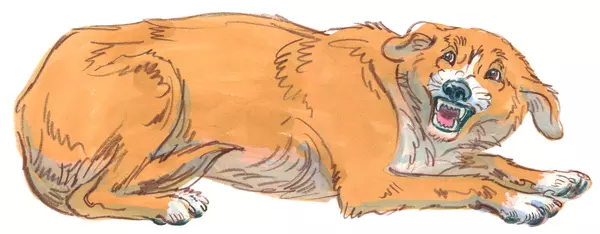
Afraid: I am afraid. I’m cowering away from you and may hide under furniture. See how my ears are flat back. I may show my teeth, snarl or growl.
Vulnerable
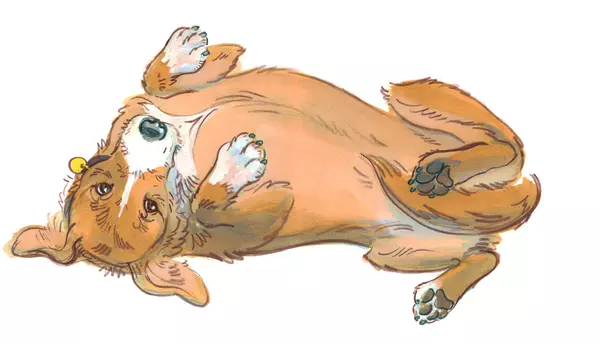
Vulnerable: I don’t want my tummy tickled. I am really scared. I moved away from you and rolled on my back, and my tail is tucked between my legs. I am so scared that if you come to tickle me, I might think you are going to hurt me and I might bite.
I'm not sure about you yet (please keep away)
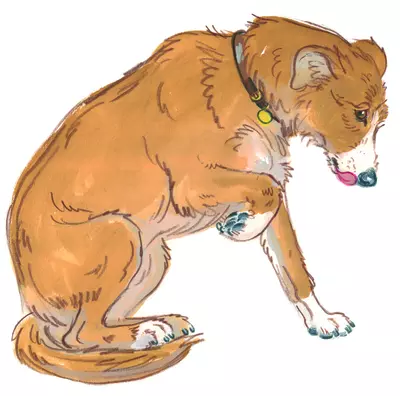
Unsure: I‘m moving slowly and lowering my head. My paw is raised and I may lick my lips to show I am uncomfortable.
Unsure
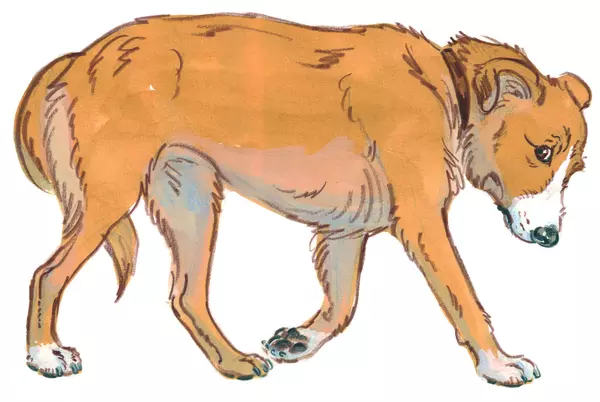
Unsure: My head is lowered and my tail is tucked away. I am looking at you sideways and may yawn to show I am not sure about you.
Unsure
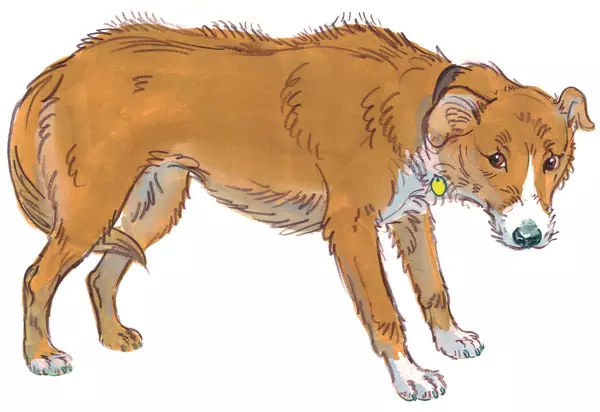
Unsure: I am moving away from you with my head lower than my shoulders. I have tucked my tail away and may glance over my shoulder and show the white of my eye.
Happy to meet you
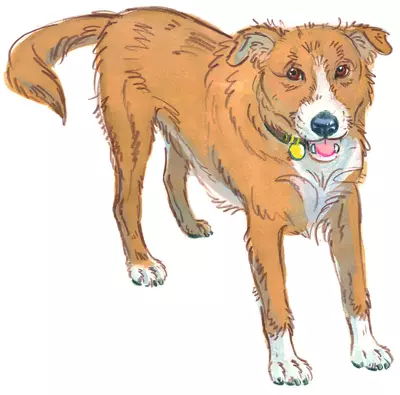
Relaxed: My body is relaxed. Look how my ears are forward or relaxed and my tongue is hanging. I am wagging my tail and my body.
Want to play?
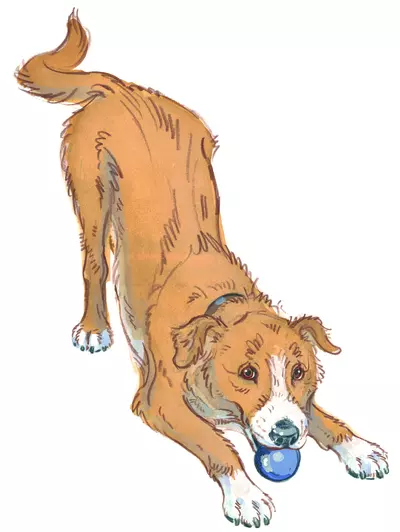
Playful: I am feeling playful and excited. I may want you to play with me! My front legs are forward and my back end is raised. My tail is high and wagging. I may drop my ball for you to throw.
Happy
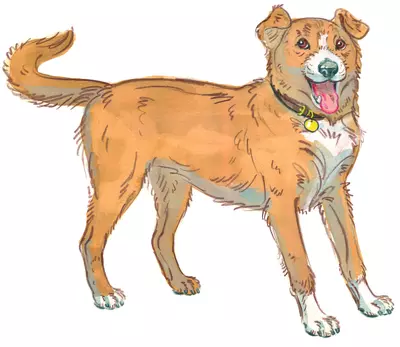
Happy: My tail is wagging. You can tell from my face that I’m interested and alert - look how relaxed my jaw is and my tongue is hanging down.
Page details
Reviewed
• 26 June 2024
Next review
• 25 June 2027


