Skin cancer in cats: FAQ
Skin cancer is a common type of cancer in cats. Some cases can be treated, and there are steps you can take to reduce the risk to your cat.
What is skin cancer?
Skin cancer is the abnormal growth of cells in the skin. The cancerous cells multiply and grow, leading to a tumour.
There are multiple types of skin cancer in cats.
Squamous cell carcinoma
This type of skin cancer is usually caused by exposure to the sun. It can start out as what is known as solar dermatitis (often red, crusty-looking areas) usually on the tips of the ears. You may notice these areas come and go, and they can be mistaken for a minor scrape. This type of cancer can also occur on other areas of the face such as the eyelids or nose, where it can be very challenging to control.
These areas may progress to become cancerous, needing surgery or specialist therapies such as radiation therapy to control it. It rarely spreads to other parts of the body until later stages of the disease.
Mast cell tumours
This cancer is found in the mast cells of a cat’s immune system and can manifest as a lump on or under the skin. Genetics, inflammation and irritation are linked to the causes for the disease.
Melanoma
This cancer develops in the skin’s pigment-producing cells (called melanocytes). It is normally found in the head and ears, but in rare cases can also be found on the skin with fur. Melanoma can also be found in other parts of the body.
This type of cancer has the ability to grow fast and spread to lymph nodes and other organs. In humans, exposure to UV light is the primary cause of the disease. But the trigger is unclear in cats.
What causes skin cancer in cats?
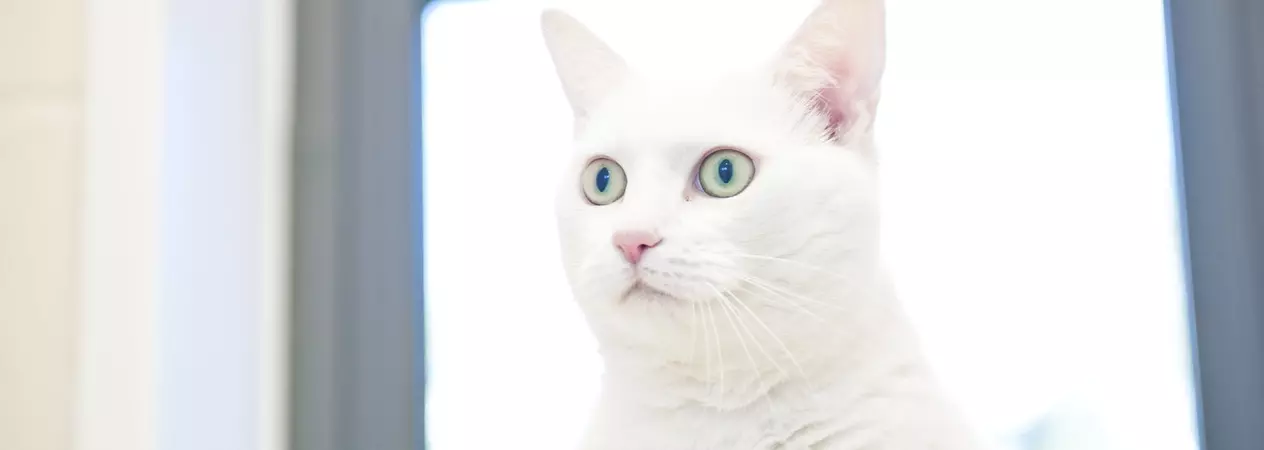
Although not always linked, some types of skin cancer are more likely if your cat is exposed to the sun. Cats with a light or white and/or thin or a lack of fur are most at risk, especially if they have suffered from sunburn.
Sunburn can appear as red skin or hair loss. The most common areas affected are the nose, belly, inside legs, ear tips, the skin around the lips and eyes, as well as any other area where skin pigmentation is low.
Some studies show that the compulsive licking of certain areas or skin irritation can also damage the skin and increase the chance of skin cancer. Certain breeds may also be at a higher risk.
How do I protect my cats from sunburn and sun-related skin cancer?
Try to stop your cat spending lots of time outside when there are high UV levels, usually between 10am or 3pm. If they're happy to stay inside, keep them in during these times. Otherwise provide them with plenty of shaded areas in the garden.
You can also use sunscreen to protect your cat's skin. Look for a cat safe sun cream as these will be the safest and most effective. But if you are unable to find this, find one suitable for human babies instead. Check that it is fragrance-free, comes without an ingestion warning and is non-staining. It should have an SPF of at least 30.
Apply the sunscreen liberally, and reapply it during peak sunlight hours.
Important
Ingredients such as zinc, which are found in many adult sun creams, can be toxic to cats if licked. Do not use adult human sunscreen on your cat, and check the ingredients if you're not using a product specified for pets.
What are the symptoms of skin cancer in cats?
Skin cancer in cats can take many different forms, including:
- lesions
- ulcers
- scabs
- warty lumps and bumps (they may be black, brown, grey, pink or red in colour)
Look out for any unusual lumps and bumps on your cat and contact your vet if you find anything unusual (especially if they are growing or causing your cat pain). Most lumps and lesions found in cats are benign (not harmful). But early intervention will give your cat the best chance of recovery if the growth is found to be cancerous.
If the cancer is growing on your cat's nose, you may notice nosebleeds, breathing difficulties or nasal discharge.
How is skin cancer in cats diagnosed?
If your vet suspects skin cancer, they will usually start by examining the lump. They may also need to sample the lump with a fine needle aspirate or biopsy. This is so the cells can be examined under a microscope and confirm whether or not the lump is cancerous.
Your cat may need to have a sedation or anaesthetic to allow the sampling. Where this happens, your vet might remove the whole lump instead of taking a sample.
Occasionally, a sample of fluid from the lymph nodes will be taken for diagnosis. X-rays or scans may be taken if your vet suspects the cancer can spread rapidly.
How is feline skin cancer treated?
The treatment for skin cancer will depend on the type of tumour, the location, whether the cancer has spread and the general health of your cat.
Your cat will likely need an operation to remove the cancer. If the cancer has grown on the ears, the outside of the ears may need to be removed.
Radiation or chemotherapy may also be offered.
What is the prognosis for skin cancer in cats?
The prognosis for skin cancer in cats can be very variable. In many cases there will be a good outlook and your cat will make a full recovery, especially if it's caught early and the mass is removed.
Sadly, some tumours can be aggressive and spread quickly in a very short time. These cancers can be very difficult to treat. Your vet will be able to support you to make the best decisions for your cat if they are diagnosed with skin cancer.
Stella's story

Stella, a 12-year-old Turkish Angora, developed suspected skin cancer on her ears and needed to have both of them removed. As a white cat, she was at an increased risk of suffering from the disease. But while she looks a little different now, she now has a clean bill of health and is in a happy home found for her by Blue Cross.
Page details
Reviewed
• 20 August 2025
Next review
• 21 August 2028