Why does my dog eat poop?
Eating poo is a common behaviour in dogs. But you should discourage it as much as possible to avoid possible health issues.
Many dogs like to eat poo (known as coprophagia). This can include horse manure, cow pats, cat poo, fox poo and even other dogs' poo.
Why do dogs eat poo?
It's a common misconception that eating poo is a sign your dog is lacking nutrients in their diet. This is because complete dog foods contain all the nutrients your dog needs, so an imbalance is very rare unless your dog's food is not approved by a nutritionist. It's more likely that your dog simply enjoys the taste and smell.
There are a few other reasons why your dog may eat poo:
- Dogs are natural scavengers and are able to detect food or nutrients in poo, which may taste or smell appealing.
- Sometimes your dog may eat poo because they need to eat more than what you’re currently feeding them, or the time between meals is too long. Speak to your vet for advice on how much and how often to feed your dog.
- If your dog is bored, they may resort to eating poo. Keeping your dog mentally stimulated can help to prevent this behaviour.
Is it normal for dogs to eat dog poo?
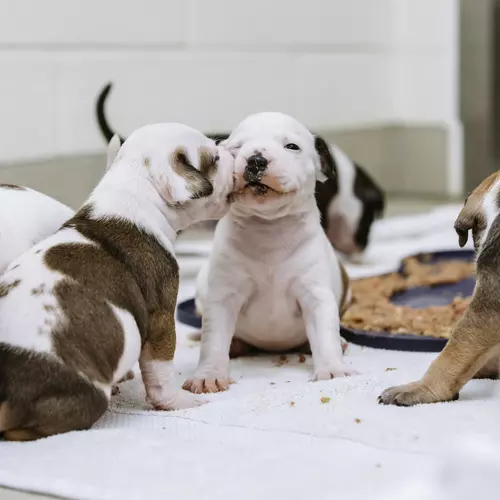
Female dogs will eat their puppy's poo when they are young, which is completely normal and should not be discouraged. Puppies may also eat their own or their littermates poo, but usually stop as they get older.
In older dogs, it's less common for dogs to eat their own or other dogs' poo. But, sometimes, when owners rush over to pick up their dog's poo (such as on a walk), their dog may learn that eating it is a great way to get their owner's attention.
Dogs with polyphagia (excessive hunger) may also be more prone to eating poo.
Is it normal for dog's to eat poo from other animals?
It is normal for some dogs to eat poo from other animals. Most dogs eat poo for the above reasons, and it's rare that this behaviour happens due to an illness.
Cat poo, for example, is high in protein and fat which many dogs will scavenge and enjoy. Rabbit and horse poo is likely to contain undigested plant material, so your dog may view this as food. This is because dogs have an excellent sense of smell but a worse sense of taste. This means they can detect the nutrients in poo from other animals, but won't be put off by the taste.
Eating poop from other animals is abnormal if it happens suddenly or if the amount is concerning you.
Can eating poo make my dog sick?
Try to discourage your dog from eating poo as it can give them an upset stomach. Some forms of livestock or horse manure also contain worming medication that can be dangerous for your dog.
How do I stop my dog eating poo?
At home:
- If your dog isn’t yet house trained - whether they're an adult or a puppy - then ensure all areas inside your home are clean of poo
- Check your garden and clean up any poo before letting your dog outside. Pick up poo as soon as your dog goes to the toilet.
- Don’t make a big fuss or get upset if your dog eats poo or you think they're just about to. This can make some dogs excited, making them even more interested in getting to the poo.
- If you have a cat, ensure poo is removed from their litter tray as soon as possible. You can also prevent access to the litter tray for your dog by moving it to a place out of reach.
Out and about:
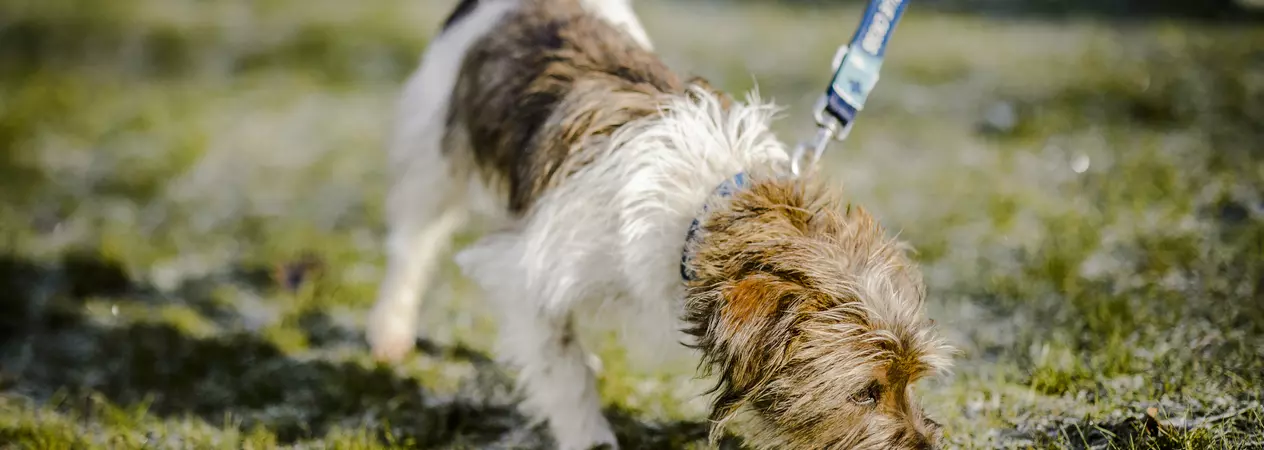
- Good recall training will help you to call your dog back before they reach the poo they have their sights on. Teaching your dog to 'leave it' will also help with this. It may be best to put your dog on a lead in a big space so they can't reach poos further away.
- Pay attention to your surroundings so you can spot any poos before your dog gets to them
- Reward your dog with a treat or their favourite toy if they walk past poo
Note
If your dog has recently started eating poo, or if the amount that they are eating is causing you concern, speak to your vet and try to discourage this behaviour as early as possible using the above tips.
Page details
Reviewed
• 12 November 2025
Next review
• 13 November 2028