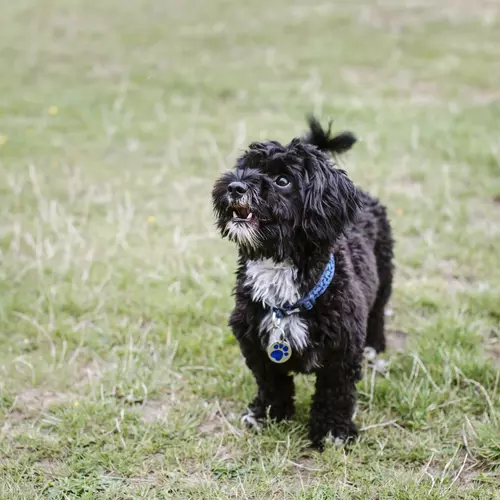

Bringing your dog to work
Dog lovers know that giving your pet a cuddle and a stroke can help the stress of daily life just melt away. But is it a good idea to convince your boss that bringing your four-legged friend to work with you is useful and won’t just distract you and your colleagues?
Before you take your dog to work, here’s a few things to think about:
- How do you think your dog will feel about coming to your workplace? Places of work vary in terms of noise levels and number of people. Is there a suitable place for your dog to relax undisturbed?
- Can your dog relax with people or other dogs around? Your dog may really enjoy the company of people or other dogs, but if your workplace is too exciting for them, it will be hard for you to focus and could be disruptive to others.
- Do any of your colleagues have allergies or a fear of dogs? You’ll need to make sure everyone is comfortable with a dog in their space.
Tips for taking your dog to work
If you feel your dog would be suited to coming to work with you, here are some top tips:
- Carry out a simple risk assessment. A risk assessment is simply deciding what could go wrong and ensuring you’ve taken proper precautions to prevent or minimise any risks. If your workplace employs five or more people, the risk assessment must be in writing. Check insurance and health and safety implications and make sure that any requirements are followed.
- Check your own insurance and/or pet insurance policies and ensure it provides adequate cover for damage to third party property or injury to third parties (including fellow employees)
- Always keep your dog under proper control
- Make sure your dog is housetrained, but be prepared for little accidents
- Make sure your dog is in good health and not suffering from any sickness
- Make sure there’s a quiet and comfy place for your dog to relax
- Ensure they have access to fresh water
- Don’t forget to take your dog for regular walks throughout the day
Benefits of dogs in the workplace
Reducing stress
At Blue Cross we encourage our employees to bring their well-behaved dogs into work where it’s practical and we’ve seen a more enjoyable working environment.
Having a pet in the workplace can help to reduce stress levels and heart rates – even stroking a dog can lower blood pressure.
Blue Cross Education Manager Kerry Taylor brings her dog Diddy into work with her. She says: “It’s so hard to tear yourself away from the computer sometimes but I have to take Diddy for a walk at lunch time, which means I get to have a break and relax, and I feel much more productive in the afternoon.”
Happier dogs
Some dogs are happier if they can come with you to work because they’re not being left at home for long periods of time.
Dogs are social pets and can struggle to cope when they’re left at home all day, and this is reflected in their behaviour, like barking, chewing furniture and anxiety.
When it doesn’t work
Taking a dog to work won’t be suitable for every workplace, particularly those with strict health and safety requirements like restaurants and factories. You also must bear in mind that some of your colleagues could be allergic to dogs.
Think about whether your working environment will suit your dog, and whether they’ll genuinely enjoy the experience or if they’d be better off at home.
Most dogs will need time to get used a new place, but it’s important to recognise when they may not be coping. Look out for these signs:
- Your dog is not settling at all
- They are barking, pacing, or whining
- They are backing away from people
- Your dog is growling or showing signs of aggression
If your dog is doing any of the above, we would recommend that you contact a behaviourist so they can advise you properly.
Page details
Reviewed
• 7 October 2025
Next review
• 6 October 2028