How often should you wash your dog?
Washing your dog is a great chance to check their skin looks healthy and is free from fleas and ticks. How often you wash your dog really depends on their health, type of coat and lifestyle.
How often should you bath your dog?
Dogs with a healthy coat and no skin problems really only need bathing when they are dirty. Unless they get dirty or roll in poo, it’s best to leave the natural oils in their coat do all the hard work – they’re pretty great at self-cleaning.
If your dog spends a lot of time outdoors, they will need more frequent baths to wash away the mud, smells, and potential parasites.
Note
If your dog has a skin disease, speak to your vet. Treatment shampoos may be needed on a more regular basis depending on the skin disease.
When not to bath your dog
There are some occasions when it's best to avoid bathing your dog. They include:
- after surgery – please wait until the vet has given you the go ahead, as this prevents infection
- if you use drop on flea and worming treatment, follow the makers instructions
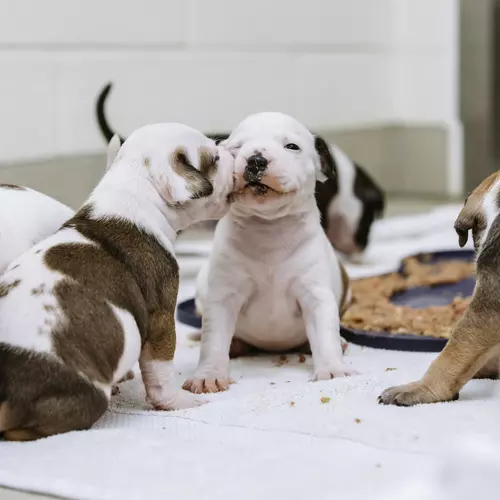
- bathing a young puppy, as they can easily get chilled
How to bath your dog
Begin by getting your dog’s shampoo ready and brushing your dog thoroughly. Have a towel ready to hand – mostly to help with the after shower shake off.
Note
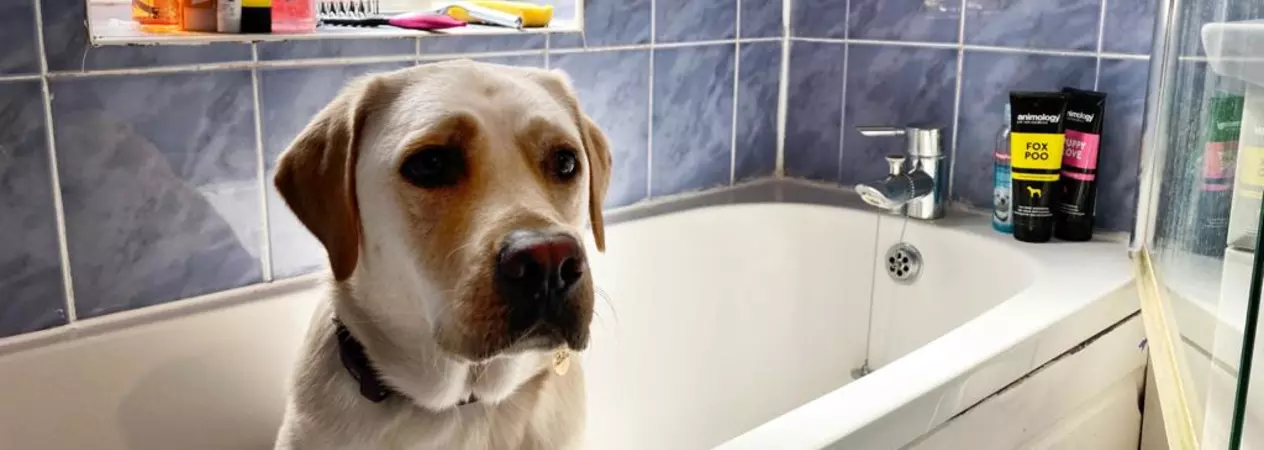
Make sure that your bath has a non-slip mat, or towel, so that your dog can safely have all four paws on the ground without worrying about slipping.
Step one
If your dog is light enough for you to lift on your own, gently lift them into the bath by placing one arm in front of their front legs and the other around their back legs, under their bum. Get someone to help you if your dog is too heavy to lift on your own.
Step two
Check for a lukewarm temperature and begin to shower your dog down. Be very careful around their ears and eyes.
Step three
Wet their coat before shampooing, taking care to avoid their face. Then rinse them clean of any shampoo.
Step four
Towel them dry before lifting them out of the bath.
If it’s a warm summers day, you can allow your dog to dry off in the garden naturally. Otherwise, you can use a hair drier on a low heat and low speed setting – just be sure to give them lots of praise and treats while you are doing this. If they look worried, stop drying them and allow your dog to dry naturally.
Helping your dog get used to bath time
For big dogs, or dogs who are particularly nervous around bath time, it’s helpful to have someone else with you. Some dogs really panic and struggle if it’s their first time, or they don’t like it, so an extra pair of hands can make all the difference.
You can make their time in the bath a little more enjoyable for them by:
- slowly introducing your dog to the bath by giving them lots of praise and feeding treats in the dry bath or shower tub, getting them comfortable with going in or out of the bath before you add water
- waiting until they seem comfortable and are used to this, then you can begin to put the shower on as background noise while you reward them
- just have the water running on their paws, getting them used to the sensation of the shower on their body – rewarding as you go with either praise or treats
Repeat these steps until they look more comfortable in the bathtub.
If you start training them at a young age, they will more likely see this as a positive experience.
Note
If your dog is still struggling at bath time, you can smear xylitol-free peanut butter over the bathtub. Your dog will be nicely distracted licking this off while you give them a shower.
Top tips for washing and drying your dog
- When washing your dog, take care to look out for often overlooked areas such as behind their ears, taking care not to get water near their ear canal, around their collar area and between their toes
- Rinse off thoroughly until the water runs clear
- Remember to always check the temperature of the hairdryer and hold it at least 15-20cm away from their body, frequently moving it to avoid an overexposure of heat on one area
Page details
Reviewed
• 2 July 2026
Next review
• 1 July 2029