Keeping your cat safe at Christmas
Find out how to keep your cat safe from common Christmas hazards.
From tempting decorations on the Christmas tree to the potential stress of visitors, Christmas can bring extra challenges for curious cats. Here are our tips for keeping your cat safe and happy over the festive period.
Cats and Christmas trees
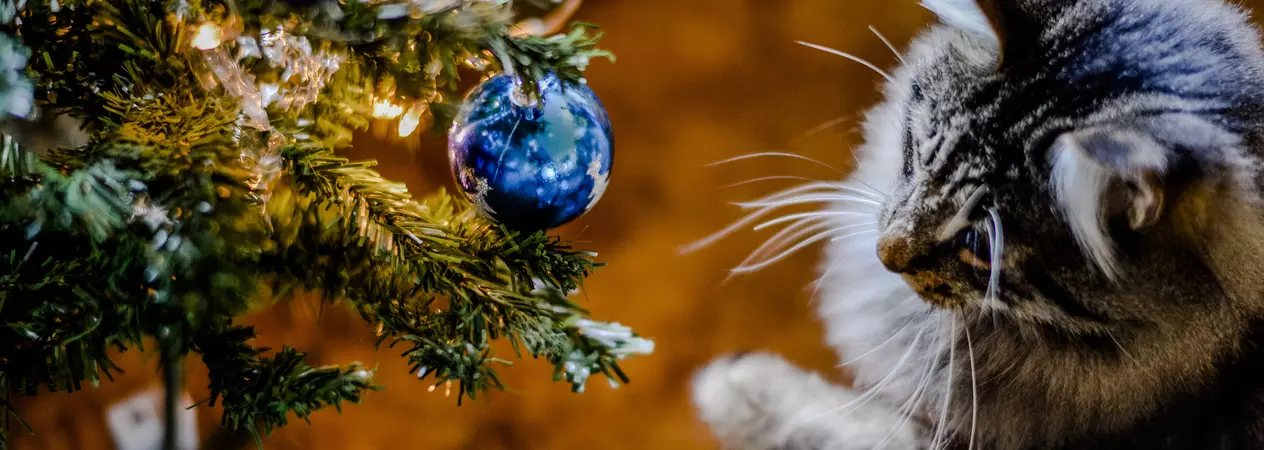
Whether real or artificial, Christmas trees can pose a risk to cats. The bright lights and sparkly decorations may be too tempting to resist, and your cat might fancy a closer look - or even a climb! Here are our tips for keeping your feline friend safe around the Christmas tree.
Are real Christmas trees dangerous to cats?
There are some things to consider if you have a cat and are thinking about getting a real Christmas tree:

- The oils produced by some real Christmas trees are mildly toxic and can irritate your cat’s mouth and stomach.
- Be careful when using plant food or fertiliser on a potted Christmas tree, as these can be poisonous to cats. Water in the tray beneath a potted Christmas tree may contain plant food or fertiliser, which can be poisonous to cats if they drink it. Cover the tray or keep it somewhere your cat can't get to it.
- Cats may also come into contact with fertilisers or other substances in the soil if they use it as a litter tray. Cover the soil or place the tree somewhere your cat can't get to it.
- There's a small risk that sharp pine needles will cause damage to your cat’s stomach if swallowed. If you want a real Christmas tree, consider buying one of the non-drop variety (such as a Nordman fir). But keep in mind that these non-drop trees will still eventually drop their pine needles.
How to cat-proof your Christmas tree
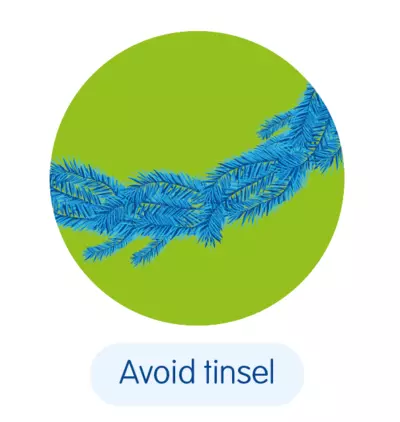
Avoid tinsel
Tinsel can be particularly tempting to cats because it catches the light, sparkles and quivers in a breeze, making it look like a toy or prey. However, if swallowed, it can cause a serious blockage in the stomach or intestines, which can be life-threatening. Keep tinsel out of your cat's reach.
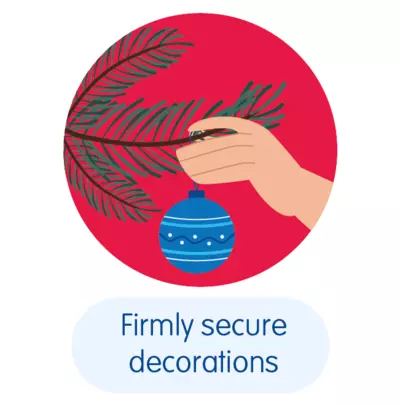
Secure decorations
Secure your Christmas decorations firmly to the tree so they can't be easily knocked off by a curious paw. Avoid fragile decorations, such as glass baubles, as these can easily break and your cat could swallow the pieces, causing injury.

Use a heavy tree base
Just in case your cat decides to climb it, invest in a good quality, heavy base to prevent your Christmas tree from toppling over. You can also secure the tree by placing weights around the base.

Keep decorations up high
Hang decorations higher up the tree, out of reach of playful paws. This may also help discourage your cat from climbing the tree.
Don't place any tempting presents under the tree. If you have a particularly playful and curious cat, make sure you offer them plenty of opportunities for fun, games and playtime away from the tree and decorations.
Find out how to make our DIY cat toys.
Beware of snow globes
Snow globes contain a chemical called ethylene glycol, otherwise known as antifreeze, which is highly poisonous to cats. If a snow globe is knocked over and smashed, even the smallest amount of antifreeze could make your cat very ill.
Lights
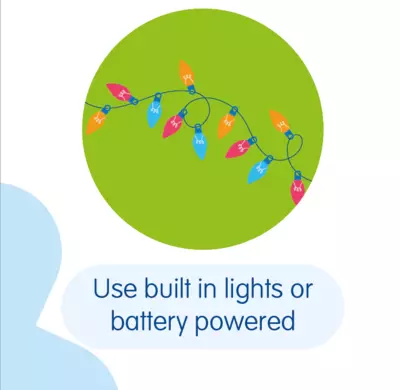
While it’s a rare occurrence, Christmas lights can be a real danger to cats if they decide to chew on electrical wiring.
- Always switch lights off at the mains when you’re not around to supervise your cat
- Consider using battery powered LED lights instead
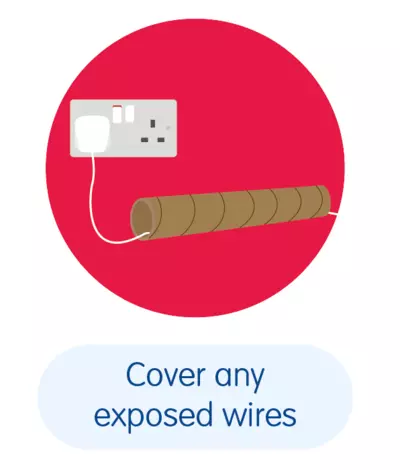
Tidy cables
If you do use electric lights, cover any exposed wires with plastic or cardboard tubes.
If your cat is playful and mischievous, it's a good idea to shut them out of the room the Christmas tree is in when you're not around.
Christmas plants that are poisonous to cats
Christmas flowers and plants may make our homes look festive, but some can be poisonous to cats. Keep these plants out of reach of curious paws:
- Poinsettias - these can cause mild poisoning
- Lilies - all parts of the plant are highly toxic to cats
- Holly and mistletoe - the berries can be particularly harmful if eaten
- Amaryllis - the bulbs, stems and flowers are poisonous to cats
Contact your vet straight away if you think your cat has eaten any of these plants.
Take a look at our advice on plants that are poisonous to cats.
Christmas foods that are poisonous to cats
Christmas is the time to cook up a storm, but curious cats may be tempted to investigate any spills or leftovers. Take care to keep them away from hot food, which could cause burns.
Some festive foods are also poisonous to cats. Keep the following well out of your cat's reach:
- onions and garlic (cooked or raw) - remember that onion gravy is toxic to cats, so keep it out of paw's reach
- raisins
- grapes
- chocolate
- alcohol - alcohol can be dangerous even in small quantities, so wipe up any spillages quickly
Note
The string from meat should always be kept away from your cat. Any string can cause a stomach blockage, but when it's covered in tasty meat, it's even more tempting!
What should I do if my cat has been poisoned?
If you think your cat has eaten something dangerous, contact your vet immediately. All vet practices must have an emergency service available over Christmas - but remember, you may need to drive there.
You should also:
- have any packaging to hand so that you can tell the vet exactly what your cat has eaten
- take samples along if you have seen your cat chewing something
If you're not sure whether your cat has been poisoned, take a look at the common signs and symptoms of cat poisoning and speak to your vet for advice on whether they need to be seen.
Stress in cats at Christmas
With potential visitors, changes and new smells, Christmas can be a stressful time of year for cats, particularly nervous ones.
Try to avoid:
- excessive cleaning and moving furniture about. This can disturb your cat’s important scent marks around the home, making them more nervous
- inviting other animals into your home. If other animals are in your home, keep them or your cat in a separate room - just remember to provide them with everything they need such as their food, water and litter tray.
You can help to ease your cat's stress by:
- knowing the signs of stress in cats
- creating hiding places for them
- providing litter trays in a peaceful area - a change in your cat’s urination pattern can be a sign of stress. Read our advice on cystitis in cats.
- giving them a constant supply of water
- using sprays or diffusers which release comforting pheromones
- providing familiar items such as blankets or toys if they're staying away from home
Now you know how to keep your feline friend safe at Christmas, make sure you're also aware of everyday dangers to your cat.
Page details
Reviewed
• 16 December 2025
Next review
• 15 December 2028