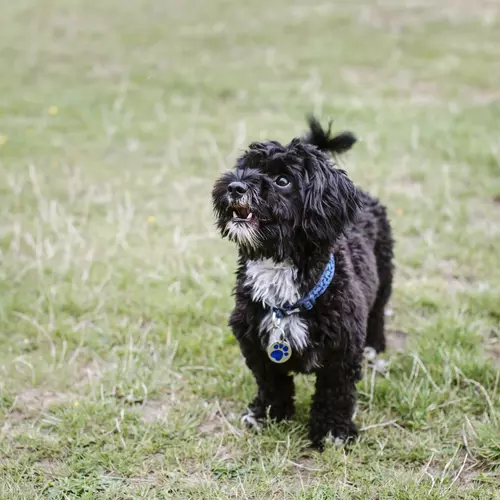

Lungworm in dogs
Lungworm is a condition which is becoming more common across areas of the UK. It is caught when a dog or cat eats snails, slugs and frogs, and can be fatal.
What is lungworm?
Lungworm is caused by a parasitic worm that can travel around your dog's body through their blood vessels and affect the heart, lungs and other parts of the body.
What are the symptoms of lungworm in dogs?
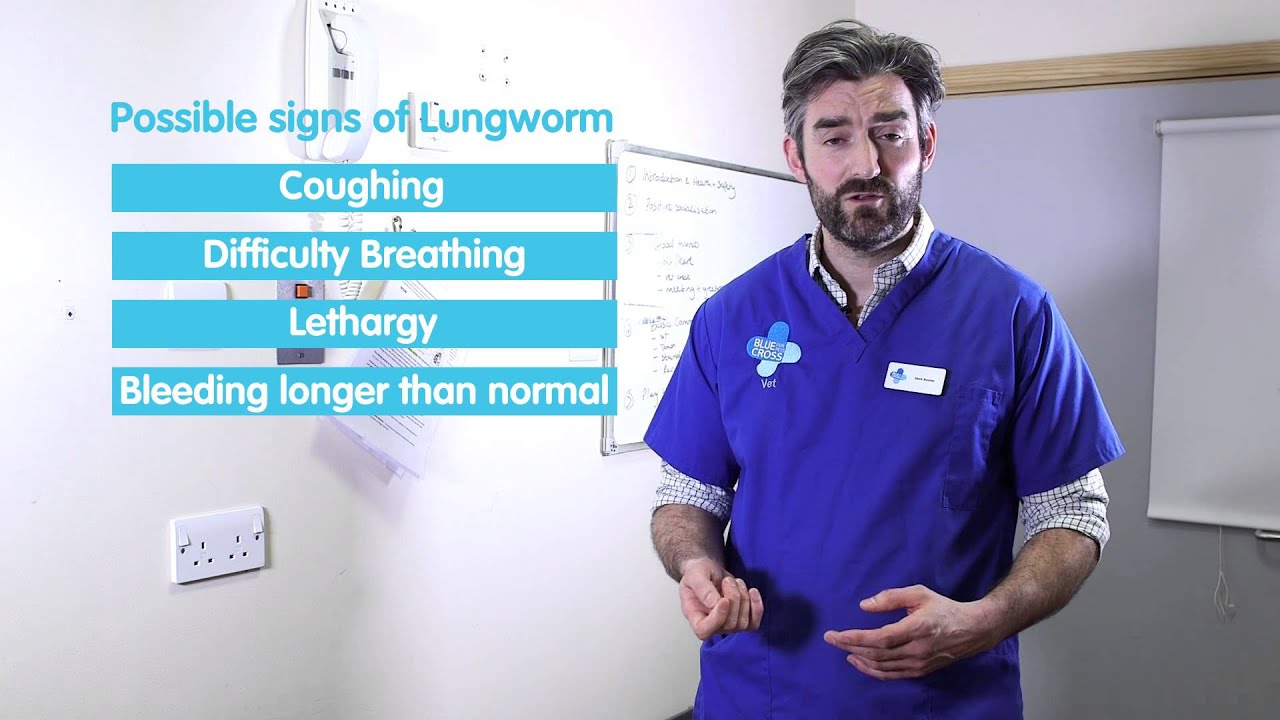
Diagnosing lungworm can be difficult because symptoms vary, but they can include:
- coughing
- breathing problems
- not wanting to exercise
- loss of appetite
- vomiting or diarrhoea
- weight loss
- nose bleeds
- if a dog gets a minor injury, like a small cut, it might bleed for longer
- neurological issues such as a wobbly or abnormal gait, or fits
Speak to your vet straight away if you think your dog might have lungworm.
How do dogs catch lungworm?
Dogs get lungworm by eating larvae found in infected snails, slugs or frogs. They can also accidentally eat infected slugs if they are on a toy or their fur, or on discarded food they find in the park.
The lungworm larvae then grow inside the dog and adult lungworms move through their body to live in their heart and blood vessels. In severe cases, this can cause heart problems, breathing problems and pneumonia.
In mild cases, infection can remain unnoticed by owners. After about 28 days the worms start to produce their own larvae which can contaminate the environment.
It can cause haemorrhages in the lungs, liver, intestine, eyes and spinal cord, but also pretty much anywhere in the body. It can be fatal in severe cases, but the good news is that lungworm is usually treatable.
Dogs cannot pass the disease directly from dog to dog but they will pass the larvae in their faeces. This then infects more slugs and snails who are eaten by more dogs, so the disease can spread quickly.
Note
The parasite that causes lungworm in dogs is different to the parasite that causes lungworm in cats.
How is lungworm prevented?
Talk to your vet about regular lungworm treatment and prevention, particularly if you travel with your dog around southern England or South Wales as cases are higher in these areas.
Regular anti-parasite treatment
There are currently many worming treatments available through a prescription from your vet. These often cover lungworm, so if your pet is at risk your vet can advise you which product will suit them and how often should be used.
Standard pet shop wormers do not cover lungworm.
Other preventative measures:
- Make sure your dog does not eat slugs, snails or frogs.
- Change the water in any outdoor water bowls regularly.
How is lungworm diagnosed?
No test is totally reliable, but most vets will use a blood test. Your vet will also ask you about any symptoms your dog might have. They can also examine a sample of a dog’s faeces (poo) under the microscope to help diagnose lungworm, although this is not 100 per cent reliable as there are not always lungworms present in every sample.
In more severe cases, an X-ray will also show changes or abnormalities in their lungs.
How is lungworm treated
Most dogs will recover from lungworm if caught and treated early. The type of medication given will depend on how severe the condition is. However, a small number of dogs may have lung scarring afterwards.
If left untreated, lungworm can do more harm causing inflammation and, in severe cases, internal bleeding and organ failure. This might mean your dog needs more treatment, so prevention is always better than cure. Sadly, in some cases, it can be fatal.
Can humans get lungworm?
No, lungworm is not known to infect humans.
Page details
Reviewed
• 20 November 2025
Next review
• 20 November 2028