Bladder op gives spring back to spaniel
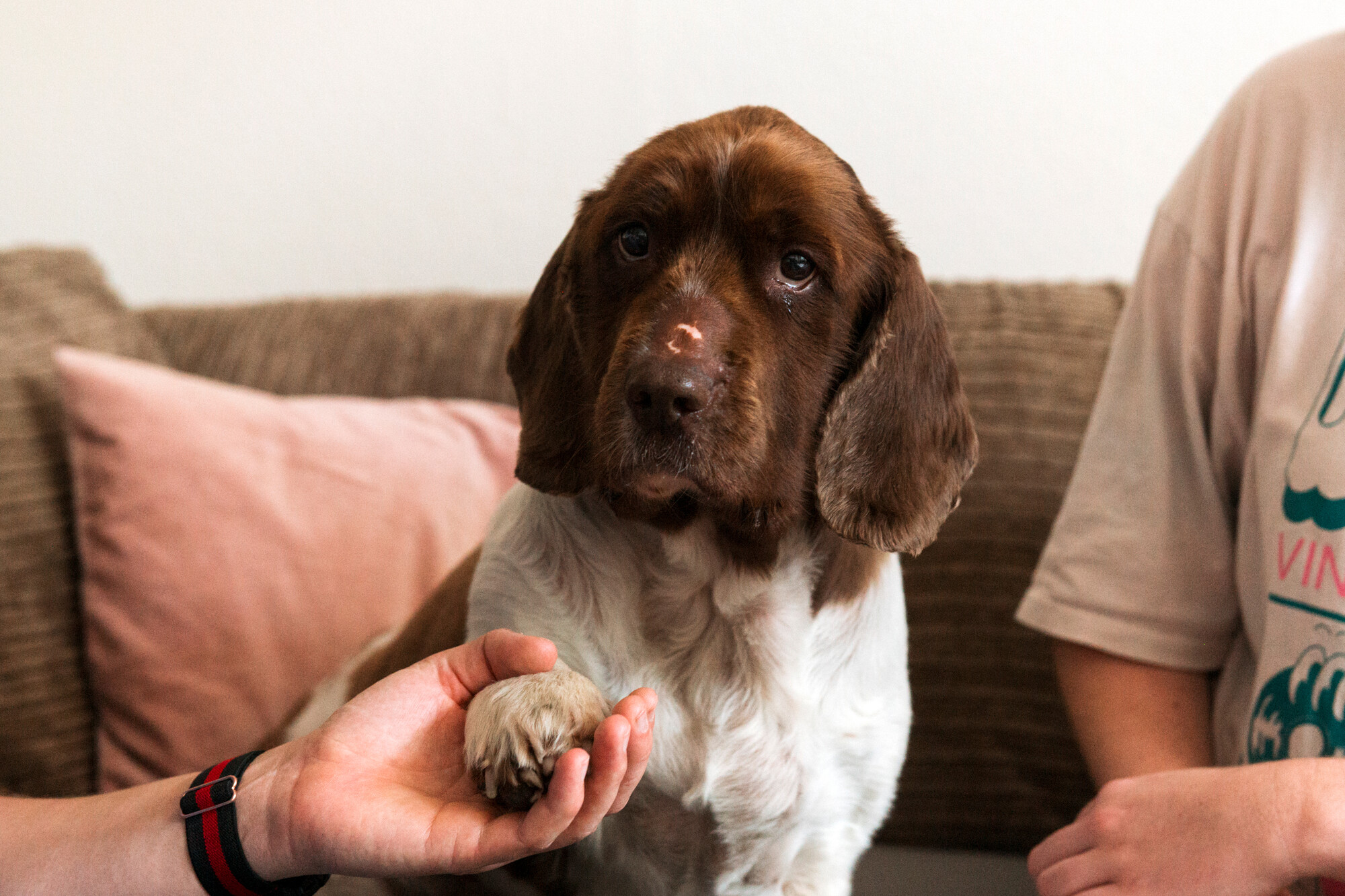
When Willow began passing blood, it was clear the springer spaniel was suffering. But nothing could prepare 10-year-old Willow’s family for the root of her urinary troubles.
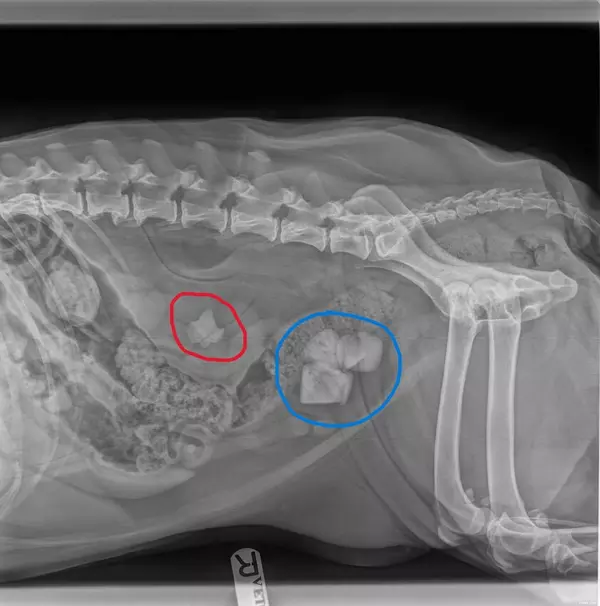
Six large wedge-shaped stones were found in her bladder, with one embedded in the inflamed tissue.
Poor Willow must have been in excruciating pain each time she tried to go to the toilet, but had managed to mask her discomfort.
“With dogs it can be very difficult to see if they are in pain as they will mask it,” explains Sam Clarke-Smith, who lives with Willow along with partner Kim Rice.
Thankfully Sam and Kim – who both work in healthcare – had been keeping a close eye on their beloved pet’s wellbeing after she had previously been diagnosed with a urinary tract infection (UTI).
Bringing Willow to Blue Cross, our vets immediately suspected there could be a more serious reason behind the springer spaniel’s toileting issues.
The team admitted the friendly pet for x-rays at our Victoria animal hospital in central London and discovered the painful cause of her problem.
“There were six stones in the bladder, each with a diameter of 1-2cm, and they were pyramid-shaped,” says Jack Meier, Blue Cross Head Veterinary Surgeon at Victoria animal hospital.
“Often we detect bladder stones when they are smaller, but it is possible for them to grow large without the dog showing obvious symptoms.”
As the stones were so large, the best way to help Willow was to plan surgery to remove the piercing cluster.
Willow is among thousands of pets who receive low cost vet care at Blue Cross Victoria each year – the hospital has never closed its doors since opening in 1906.
But it wasn’t an easy decision for A&E nurse Sam, 27, and trainee paramedic Kim, 25, as the couple were anxious about how Willow would cope with the anaesthetic and surgery.
Sam reveals: “My grandad had died the day before and suddenly we had to make this decision about Willow.
“I never want to be that person to make the cruel decision to keep her going if she’s going to suffer and have a poor quality of life.
“But after talking with Kim and the vets, we realised it was the right thing to do and the vets were very supportive.”
The Blue Cross team planned a cystotomy – an operation during which vets make an incision into the abdomen to expose the bladder.
A 4cm window was made into the bladder to allow access to remove the stones, while taking care to prevent urine leakage into Willow’s abdomen.
After the stones were removed, Willow’s bladder wall was stitched up, followed by the muscles and skin of her abdomen.
“Without surgery, the stones would have continued to cause Willow pain and discomfort when urinating,” points out veterinarian Jack.
“It is possible for stones to dissolve with an appropriate diet, but it would have taken a long time given the size of the stones in Willow’s bladder.”
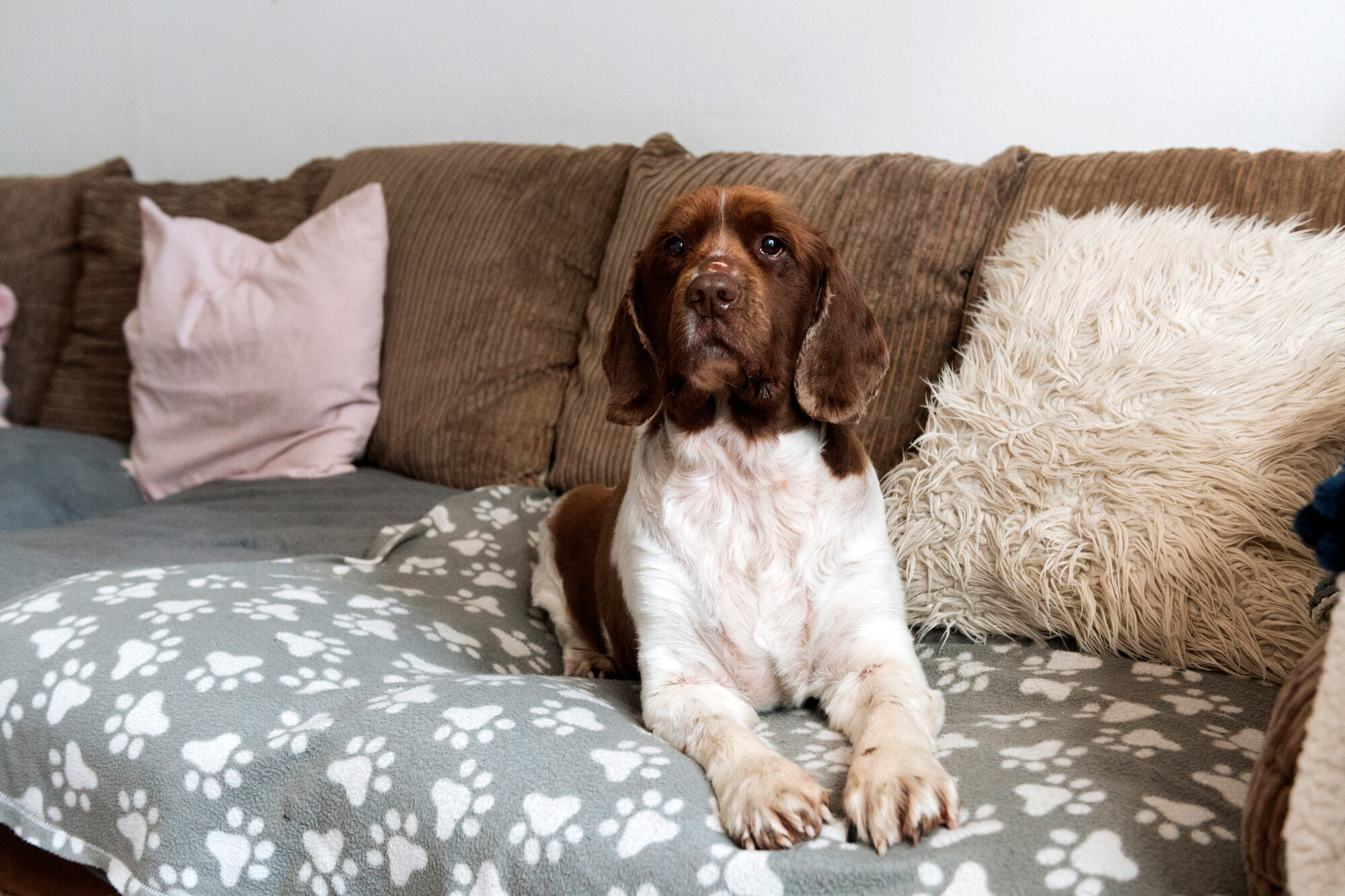
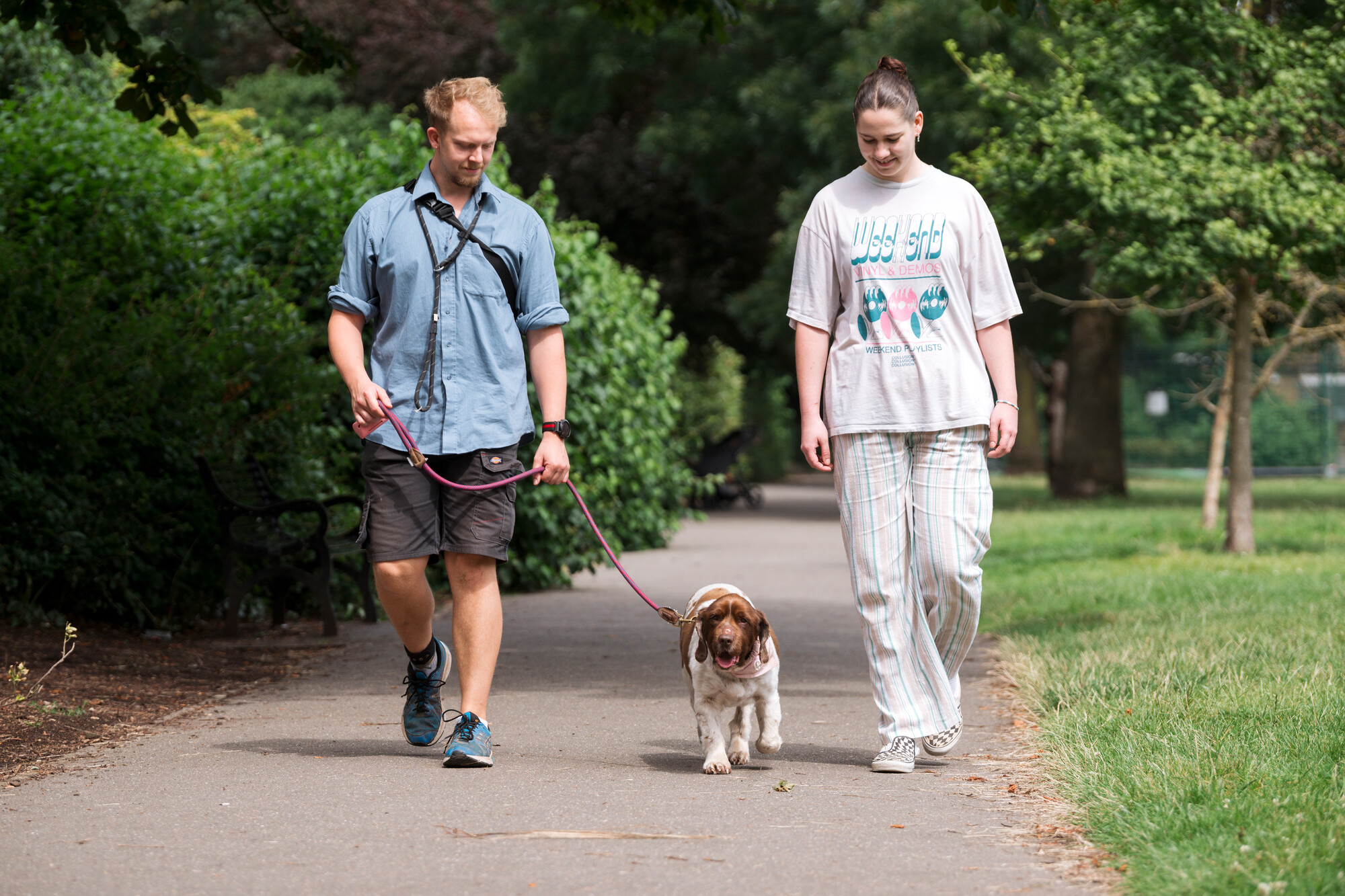
After recovering from her op, characterful Willow could return to life at home in south London, where she’s got a new lease of life and loves nothing more than ball games in her neighbourhood park.
Her personality shines through as she spends time with other dogs, with Sam and Kim affectionately referring to their pet as ‘The Monarch’ as she watches regally over her local pals.
Willow has also been impressing other pet lovers, as she recently picked up a fourth place rosette in the best veteran class at her local dog show.
With the bladder stones a distant memory, Willow has a single kidney stone remaining and has started a long-term diet to dissolve the mass, under the watchful eyes of Blue Cross vets.
“She’s doing very well on her diet,” adds Sam. “The kidney stone is still there but she’s not in pain.
“We were worried because we didn’t want to put a pet through something that gives them a poor quality of life.
“I’m glad we did it in the end. Willow is so much more bouncy now. She’s got her springer spring back.”