Hyperthyroidism (overactive thyroid) in cats
Hyperthyroidism is most common in older cats, and many cases can be treated successfully.
What is hyperthyroidism?
Hyperthyroidism is a condition in which the thyroid glands in the neck enlarge and produce too much thyroid hormone, causing bodily functions to speed up. The underlying cause is unknown but in rare cases cancer can cause the condition.
When the thyroid glands do not produce enough hormone it’s known as hypothyroidism, or an underactive thyroid. But this is uncommon in cats
What are the symptoms of hyperthyroidism?
The thyroid hormone has many functions in the body. This means there can be many different signs of hyperthyroidism including:
- an increase in appetite
- increased thirst
- weight loss
- restlessness or an increase in activity
- a poor coat with possible hair loss
- vomiting or diarrhoea
- urinating in different locations around the house (outside of the litter tray)
- rapid heart rate
How is hyperthyroidism diagnosed?
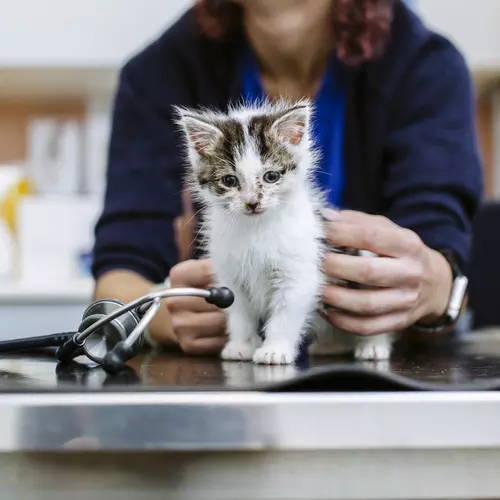
Your vet will look at your cat’s symptoms and carry out a physical examination. Levels of thyroid hormone can then be measured by a blood test to diagnose hyperthyroidism.
Other tests may be taken to look for other diseases which may affect the condition.
How is hyperthyroidism treated?
Medication
Hyperthyroidism is usually managed with a daily dose of anti-thyroid medication (either in tablet or liquid form). Medication does not cure the condition, it only blocks the excessive production of thyroid hormone. It needs to be given lifelong, usually once or twice a day, at regularly spaced intervals (eg first thing in the morning and last thing at night).
Many cats live long and happy lives with medication to keep hyperthyroidism under control but regular visits to the vet and monitoring tests may be needed.
Diet
Special diets can help to control the levels of iodine (which the thyroid gland needs to make the hormones) in the body. This can help to control the disease. You must make sure your cat eats only this diet and no other foods for it to be effective. This may not be suitable for cats who go outdoors.
Surgery
Some cats suffering from hyperthyroidism benefit from surgery. This is where the affected tissues are surgically removed (known as thyroidectomy).
Surgery often provides a long-term or permanent cure for most cats. Your vet will initially stabilise your cat’s condition with anti-thyroid medication before performing surgery. As all animals have two thyroid glands, the size of both are inspected at surgery, then one or both removed if they are enlarged.
If both are removed, either together or in two separate operations, this may carry an increased risk of post-surgical complications. If one gland is left, it may later start producing an excess of thyroid hormone. There is no rule on whether both glands should be removed together or in separate procedures. Your vet will advise you on the best option for your cat.
After surgery, blood tests may be recommended so that your vet can ensure that the thyroid hormone levels are normal. Hypothyroidism or an underactive thyroid can sometimes develop as a result of surgery to address an overactive thyroid.
Radioactive iodine therapy
Radioactive iodine therapy is administered and then absorbed by the abnormal thyroid tissue. It then destroys the affected tissues without damaging the surrounding glands or tissues.
It’s a safe and effective treatment and in many cases provides a cure. But this is only available at some specialist centres and is expensive, and requires your cat to be hospitalised.
Why is it so important to treat hyperthyroidism?
Cats that have hyperthyroidism not only have a reduced quality of life but, if untreated, the condition can result in heart failure, blindness or death. It's important that you take your cat straight to the vets if you spot any signs of hyperthyroidism.
Page details
Reviewed
• 15 July 2025
Next review
• 14 July 2028