Dog crates
A crate can be a safe, comfortable retreat for your dog. Learn how to choose and use one correctly.
A dog crate, also sometimes called an indoor kennel, can provide your dog with a safe, comfortable space to rest and relax. When introduced positively and used correctly, many dogs come to see their crate as a secure retreat of their own.
A crate can provide your dog with a safe, comfortable space of their own. When introduced positively and used correctly, many dogs come to see their crate as a secure place to rest and relax, both at home and when travelling.
Fold-down metal crates are a popular choice as they're sturdy, available in a range of sizes and easy to transport. Fabric crates are also available and can be a lightweight option for calm dogs, but they're not suitable for dogs that are likely to chew or scratch them.
Choosing the right size crate
A crate should be long enough for the dog to turn around and stretch and high enough to sit up without touching the top.
If you are buying for a puppy, judge the size you will need by measuring an adult dog of a similar type. If in doubt, it is better that the kennel is on the large side rather than too small.
Using a crate correctly
It is important that an crate is not used to punish or to house a dog for long periods of time. When used correctly, crates provide a safe, secure and private area for your dog. Your dog must be taken out regularly to exercise, play and go to the toilet.
While in the crate, your dog should have comfortable bedding, water and a suitable chew toy.
Where to put your dog's crate
The crate should be placed in a family area, where your dog can see everything and not feel left out.
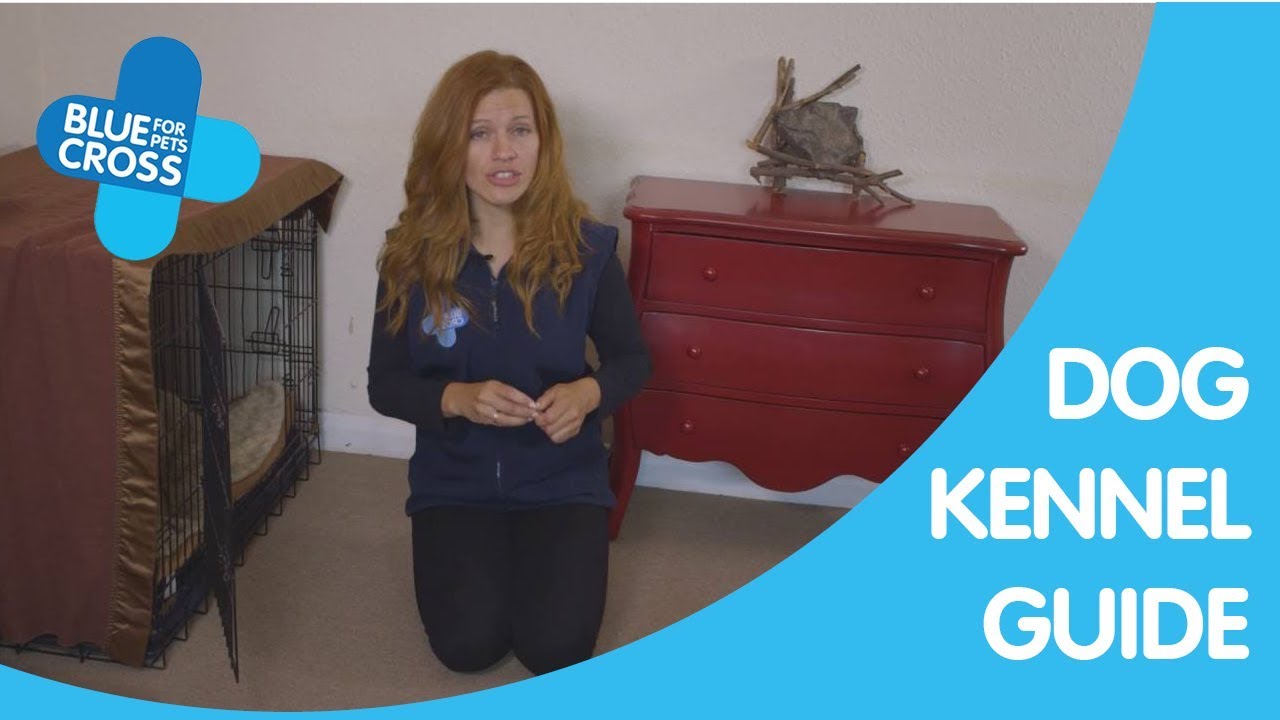
Make sure the crate is away from direct heat and cover the top, back and sides with a sheet to give it a cosy, secure, ‘den’ feeling. The sheet also helps prevent drafts.
Introducing your dog to a crate
Place your dog's bedding in the crate and encourage them to explore it by scattering a few treats inside. Leave the crate door open and allow your dog to go in and out freely.
Repeat this over several days until your dog is happily entering the crate and choosing to rest there. Once they're comfortable, begin closing the door for short periods while you stay nearby.
If your dog remains relaxed, gradually increase the length of time they spend in the crate. When they're confident with this, try leaving the room briefly while they enjoy a safe chew or toy.
Continue to build up the time slowly, ensuring your dog stays comfortable and relaxed. Dogs should not be left in a crate for longer than three hours.