
Dogs in winter
Winter can bring challenges for you and your dog. Taking a few simple precautions can help keep your dog - and you - safe, comfortable and healthy during the colder months.
How can I keep my dog warm in the winter?
When the thermometer dips, don’t leave your dog outside. Dogs these days generally spend a lot of time indoors and are not used to extreme cold, so they could develop hypothermia or frostbite.
Does my dog need a coat?
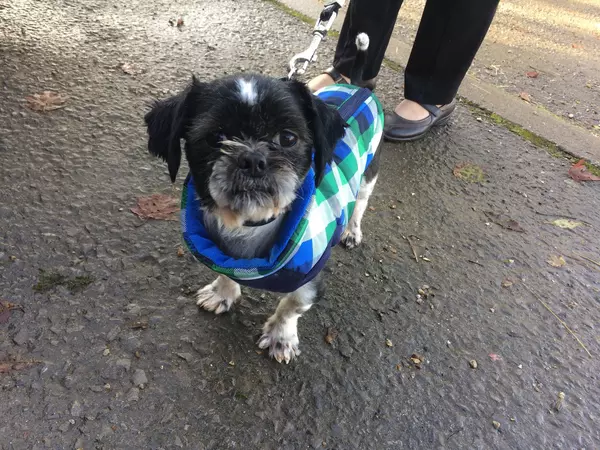
Short-coated breeds of dogs, like greyhounds, Dobermans and Staffordshire bull terriers, can struggle to cope with the cold weather and may need a coat. Some small, thin and elderly dogs might also need a coat. If this is the case, it’s a good idea to invest in some winter clothes, such as a cosy doggy jumper or coat, ready for when they go outside.
Other breeds, like Labradors, huskies and German shepherds, are not so bothered by the cold because they already have a thick coat that does a great job of keeping them warm. But keep in mind that, just like us, all dogs are individuals and some may feel the cold more, particularly if they are older.
Booties
If your dog starts lifting their paws, whining or stopping while out on walks, it could be because their feet are too cold. Getting some doggy winter boots for them to wear can be a good way to help protect their paws. Look for booties that have a good sole and Velcro straps. Most dogs will need a gentle introduction to wearing boots, so introduce them slowly in the house at first for short periods at a time. Remember, if your dog doesn’t like wearing boots, do not force them to do so.
Keeping your dog warm in the home
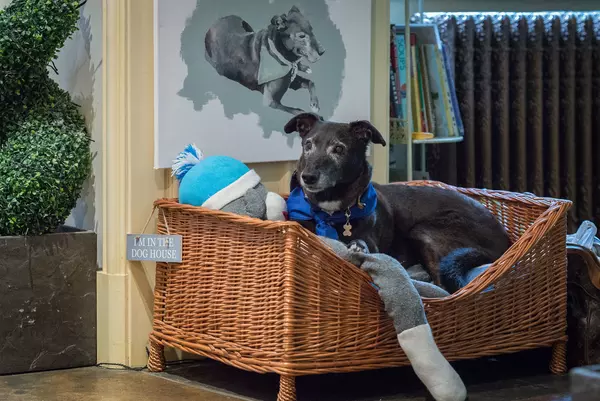
If your dog is feeling the chill at home, try moving their bed to a warmer part of the house and provide them with nice thick blankets to keep them cosy, especially during the cold nights. It’s also worth considering a jumper for your dog indoors as well, if they’re sensitive to the cold. Although, this would be unusual for most dogs to need. Of course, there’s always the option for extra cuddles to share the warmth too!
Winter walks
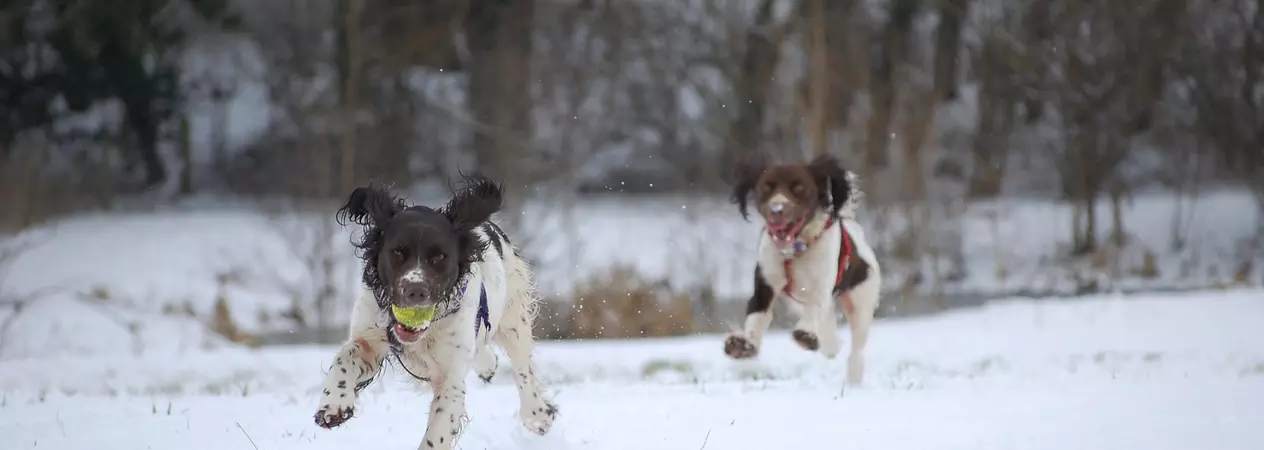
As long as your dog is healthy and able, you should try to take them for a walk in most winter weather conditions where possible, even in the snow! Do be careful in slippery conditions and do not go out if it means putting yourself at risk. If you need to stay at home with your pooch, spend time playing games indoors to stop them from getting bored or frustrated.
Walking your dog in the snow
Walking your dog in the snow may take a little more preparation than at other times of the year. Before heading out during snowy weather, consider trimming the fur around your dog's paws to help prevent ice balls from forming between the pads and toes.
When you go on a winter walk, remember to:
- put a coat on your dog if they are sensitive to the cold
- wipe your dog's paws when you get home. Salt and grit used in icy conditions can irritate paw pads and may be harmful if your dog licks it off
Stay off the ice!
Avoid frozen ponds and lakes, and keep your dog on a lead near frozen water to reduce the risk of them falling through the ice. if your dog goes onto the ice, do not follow them. Most dogs are strong swimmers and may be able to get themselves out, while entering the ice yourself could put you in danger.
Dog walking in the dark
Dark evenings can pose a risk when you’re walking your dog, as it can be difficult for motorists to see you on the road. To keep yourself and your dog out of trouble, here are some things you should consider taking on darker winter walks:
- a good quality flashing or reflective collar or harness for your pooch
- bright or reflective clothing so you can be seen by motorists
- a torch or head lamp so you can keep your hands free to walk your dog
- your phone, just in case you need it for emergencies
- a light-up ball if you’re worried your dog may lose it in the dark
To keep yourself safe when walking in the dark, it’s important that you:
- stick to well-lit routes where possible, such as paths with lighting in parks or residential areas
- walk facing oncoming traffic if you're walking along a country road, and keep your dog on your right-hand side (away from the traffic)
- only let your dog off the lead in an enclosed area away from roads, somewhere that is familiar to both you and your dog
- keep your dog’s recall training up to date, so you know they will come back to you if they happen to wander off
If possible, you may find it will give you peace of mind to organise to walk with a friend or a group when walking in the dark.
What games can I play with my dog inside?
If the weather is too cold or dangerous to go out, you can make sure your dog feels exercised inside the home by:
- keeping your dog mentally stimulated by using their scavenger nature to your advantage. Instead of using your dog’s normal food bowl, think about using a Kong or a food puzzle to keep them entertained.
- you can follow this simple training advice for teaching them a few new tricks
Important
If your dog has arthritis, cold weather can aggravate it. If your dog start to show signs of discomfort, contact a vet as soon as possible.
Page details
Reviewed
• 25 November 2026
Next review
• 16 November 2029